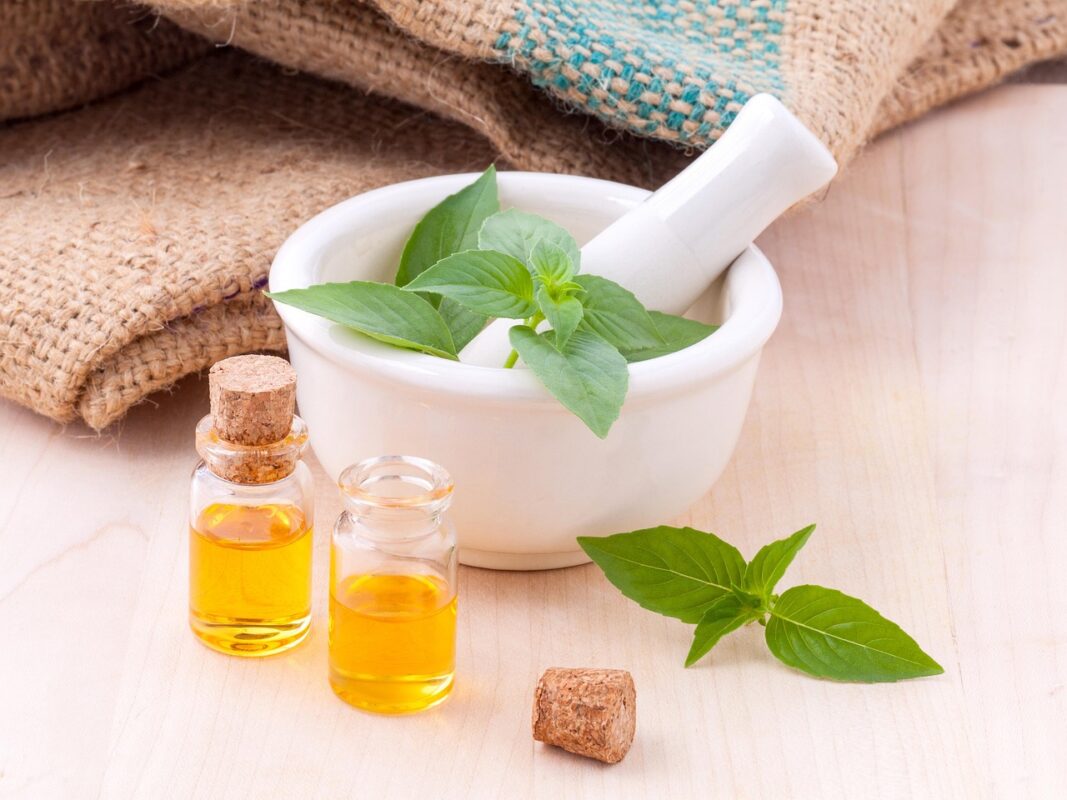
The words on an oil bottle are not regulated in the way people assume, and several of them mean much less than they appear to. Knowing which terms carry information saves both money and disappointment.
Essential oil versus fragrance oil
An essential oil is distilled or pressed from plant material. A fragrance oil is a composed scent, which may include plant-derived components alongside synthetic ones. Neither is automatically better, and this matters less for diffusing than the internet suggests.
What matters practically is that essential oils tend to be thinner and atomise more readily, while some fragrance oils are blended into a heavier base that will not work in an ultrasonic unit. If a bottle does not state that it is suitable for ultrasonic diffusing, treat it as reed-only until you know otherwise.
Terms that carry real information
Botanical name. A bottle that says Lavandula angustifolia tells you the species. A bottle that says only “lavender” does not. Different lavender species smell noticeably different.
Country of origin and extraction method. Steam distilled, cold pressed, CO2 extracted. These change the character of the oil and a producer who states them is generally being straight with you.
Batch or lot number. Its presence indicates the producer can trace what they sold you.
Terms that carry almost none
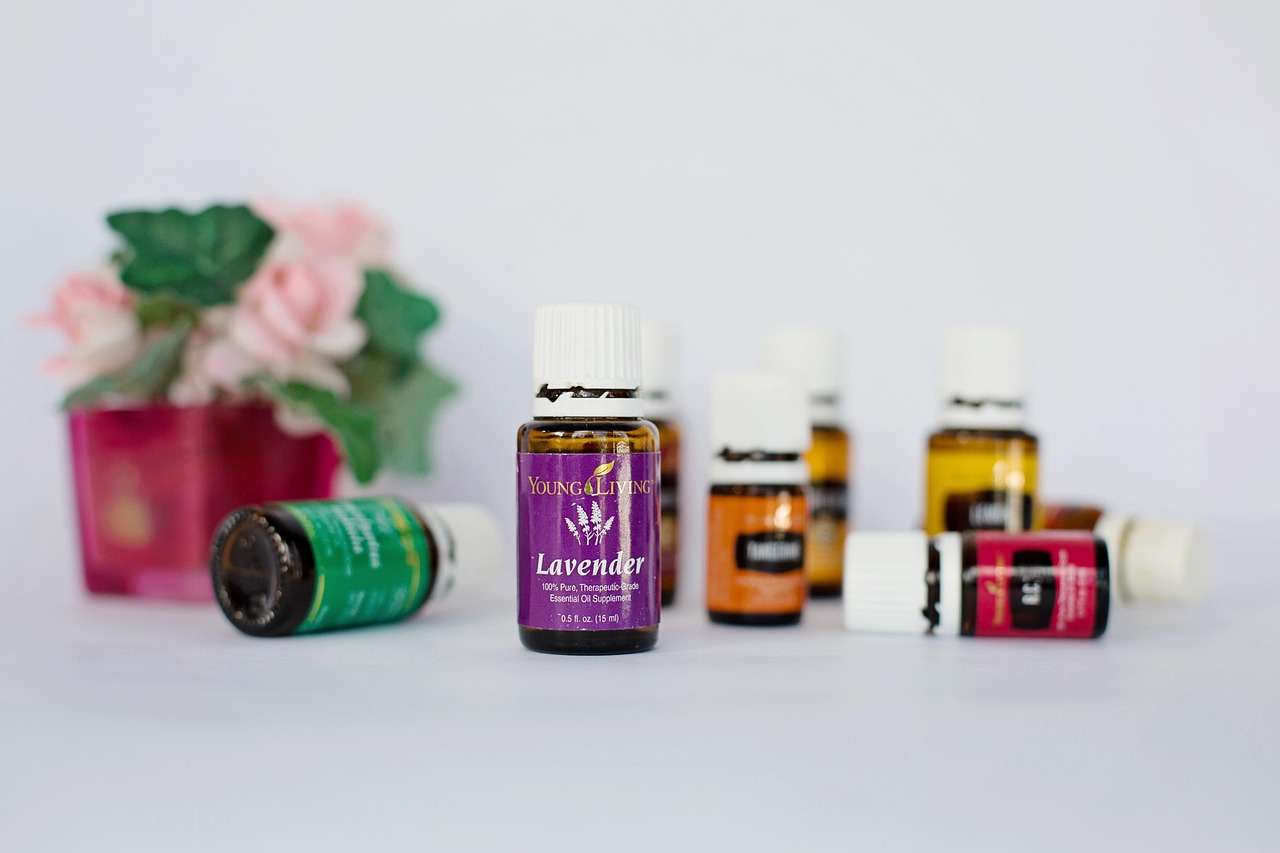
“Therapeutic grade”, “aromatherapy grade” and “premium grade” have no agreed definition and no certifying body behind them. They are marketing terms and can be applied to anything.
“Pure” and “natural” are similarly loose. A blend can be described as natural while containing very little of the plant on the front of the label.
“100% oil” means the bottle contains oil, not that it contains only the named oil.
Top, middle and base notes
Scents evaporate at different rates. Top notes — citrus, mint, eucalyptus — are bright and disappear within an hour. Middle notes such as lavender, rosemary and geranium form the body. Base notes like cedar, sandalwood, vetiver, patchouli and vanilla are heavy and persist for many hours.
A blend with only top notes smells wonderful and vanishes. Adding even a couple of drops of a base note to a citrus blend anchors it and roughly triples how long you can smell it. This is the single most useful thing to know about blending.
Storage and shelf life
Oils are stored in amber or cobalt glass because UV degrades them. Keep bottles closed, upright, away from radiators and out of direct light.
As a rough guide, citrus oils last about a year, florals and herbs two to three, and woods and resins improve for years. An oil that has gone off smells flat, faintly sharp, or of nothing much.
Safety notes worth taking seriously
Essential oils are concentrated. Keep them out of reach of children, do not put them on skin undiluted, and be aware that several oils commonly sold for diffusing — tea tree and eucalyptus among them — are not appropriate around some pets, particularly cats and birds. If you have animals in the house, ventilate the room and check the specific oil first.
Nothing on this page is medical advice. If you have asthma or another respiratory condition, speak to a clinician before using a diffuser routinely.
Buying with confidence
Look for a botanical name, an extraction method and an origin. Be sceptical of grade claims. And match the oil to the device — neat oil for waterless units, thin unblended oils for ultrasonic ones, anything for reeds.
All notes
Browse the full range in the shop, read the frequently asked questions, or contact us — CoCreations Candle Bar & Decor, Albuquerque, NM.